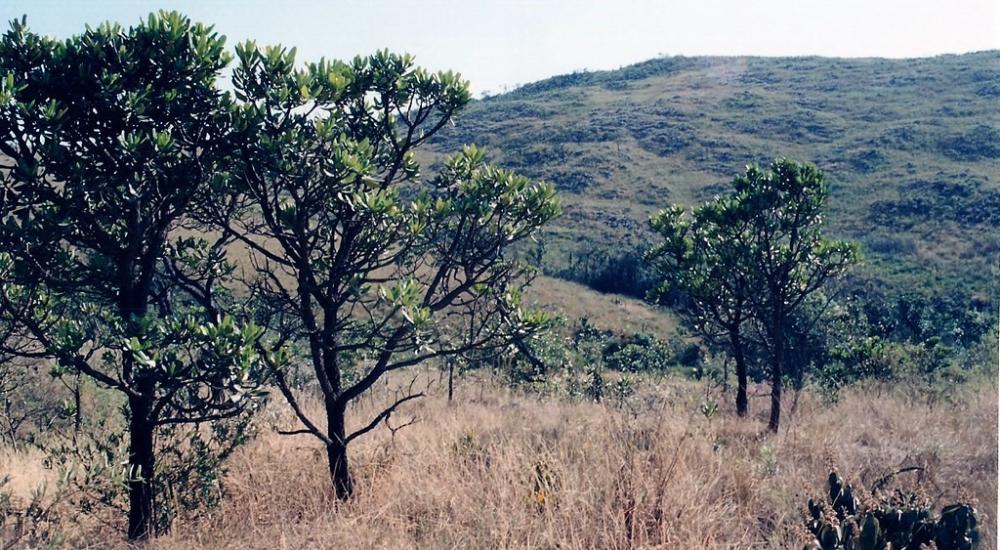
Download a PDF of this policy brief.
Maureen Santos is an ecologist and political scientist, currently serving as coordinator of the Politics and Alternatives Unit at FASE – Solidariedade e Educação, professor at the International Relations Institute and coordinator of the Socio Environmental Platform research program at the BRICS Policy Center think tank. She is based in Brazil.
Introduction
The European Union Deforestation Regulation (EUDR) represents a shift in global trade dynamics, especially those concerning agricultural products linked to deforestation in the global South. The European Union (EU) justified the creation of new trade regulations to combat climate change and promote sustainability, aligning their broader environmental policies launched in the last decade. Regulation (EU) 2023/1115 on deforestation-free products imposes rigid requirements on imports, directly impacting trade relationships with countries like Brazil — a key player in the Mercosur bloc — as well as a major commodity producer and exporter.
The EUDR aims to prevent the importation of products associated with deforestation and forest degradation. Under this regulation, companies must ensure that commodities sold in the EU such as cattle, soy, coffee, oil palm, and wood, among others, are sourced from areas that have not been deforested after 2020. In practice, this means that companies must track their commodities from origin to market across all supply chains, and establish strong traceability of their products to ensure they are not linked to deforestation, forest degradation, or socio-environmental violations established by national laws. These new conditions will affect trade and supply chains’ due diligence, creating additional expenses to achieve those advances in transparency. Companies that are not able or willing to comply with the rules will be barred from the EU market. The EUDR was initially set to begin at the end of 2024, but has been delayed until December 2025, in part because of the flexibilities negotiated under the European Union-Mercosur agreement[1].
In Brazil, the main agriculture production model for these commodities relies on large ranches for livestock and monoculture farming. This system is at the center of land conflicts and poses threats to the rights of Indigenous peoples, traditional communities, and small farmers. Many Brazilian civil society organizations consider the EUDR as a possible tool to protect biomes and territorial rights, as the regulation creates pressure for changes in supply chains dominated by agribusiness.
The existing system is a major driver of deforestation and forest degradation in Brazilian biomes such as Amazonia, Cerrado and Mata Atlantica. Consequently, the biggest greenhouse gas emissions in the country are related to forest use change and biodiversity loss. Brazilian coalitions such as Climate Observatory have pointed out that the implementation of the new regulations does not impose unattainable technical demands; rather, it builds on transparency frameworks that are already established in many areas.
At the same time, civil society organizations (CSOs) criticize loopholes in the regulation, and insist on a more holistic, socio-environmental approach. For example, the Cerrado — a vast tropical savanna biome — and other non-forest biomes are not currently covered by the EUDR regulations. The Cerrado is the main Brazilian biome impacted by deforestation, contributing substantial amounts of CO2 emissions, soil erosion, biodiversity loss and Indigenous peoples and local communities food insecurity and livelihoods destroyed.
This policy brief outlines the implications of the EUDR for the protection of Brazilian family farmers, Indigenous peoples and local communities living in and adjacent to forests and the importance of including the Cerrado biome in the regulation, in accordance with demands from Brazilian civil society organizations.
Why does Cerrado and its people matter to the goals of the EUDR?
The EUDR aims to reduce deforestation associated with commodity production, but it has a significant limitation: it only recognizes deforestation as the conversion of forests, excluding vast stretches of natural landscapes like savannas and grasslands. This exclusion is particularly problematic in the case of the Brazilian Cerrado, a unique and biodiverse biome that is often referred to as the birthplace of waters due to its role in generating several of Brazil's major rivers. Since the beginning of the discussion of the EUDR, Brazilian civil society organizations have advocated for the regulation to be broader and include the Cerrado[2]. The main concern is that EUDR will encourage agricultural expansion into the Cerrado and continue environmental destruction in the country.
Data indicates that over 80% of the “imported” deforestation to the EU is concentrated in six commodities, particularly soy and beef, which are especially harmful to the Cerrado biome. However, current European legislation only considers products from the Amazon and the Mata Atlantica as eligible for monitoring, leaving other biomes vulnerable to destruction. The Cerrado, which covers approximately 1.2 million square miles — approximately 25% of Brazilian territory — is home to over 11,000 species of plants and animals, many of which are found nowhere else on Earth. The expansion of agriculture monocultures and livestock in the Cerrado is leading to the loss of biodiversity and socio-environmental destruction. As important as these issues are themselves, they also have terrible consequences for climate stability, as these ecological lands help regulate climate and prevent carbon loss.
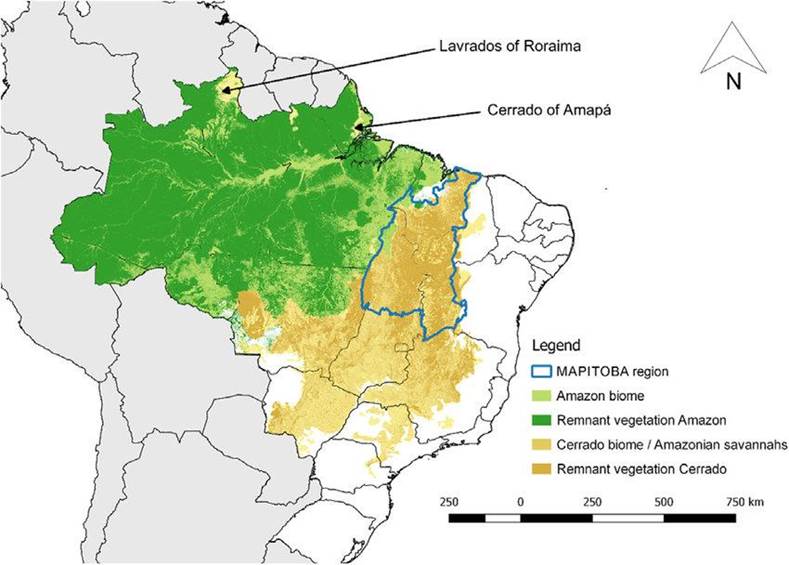
The Cerrado is the new frontier of agricultural expansion, especially soybean production in the region known as Matopiba[3], which spans across four Brazilian states: Maranhão, Tocantins, Piauí, and Bahia, covering the northern half of the Cerrado. In the period from 2023-2024, after five years of increasing deforestation rates, the Cerrado saw a 25.7% reduction in deforestation — but the Matopiba region continued to be one of the areas with the highest rates, concentrating 75% of the deforestation in the same period.
These impacts are coming to a region that is home to a rich diversity of lifestyles and cultures, full of ancestral traditions and profound connection with nature. Various groups such as traditional farmers, floodplain dwellers, collectors, fishermen, riverside communities and extractivist communities (such as rubber tappers), babaçu coconut harvesters, quilombolas (Afro-Brazilian rural communities), and over 80 Indigenous peoples, among many others, live in the Cerrado. These diverse communities have historically shaped their well-being while protecting and nurturing these biomes.
Map of forested and grassland regions in Brazil[4]
A study produced by the World Animal Protection in 2024, in partnership with Repórter Brazil found that companies like agribusiness giant JBS buy soy and corn from a complex network of intermediary companies that hide part of the origin of the grains for animal feed that comes from deforested areas in the Amazon and Cerrado. The report shows Netherlands’ supermarkets — which in 2022 imported around 17 million tons of beef from Brazil — buying beef through contracts between farmers and traders with several inconsistencies, going in the opposite direction of European regulation. This case demonstrated that there are methods that private companies are already using to circumvent existing rules. As EUDR is not entirely set up yet, we cannot affirm that the new regulation will prevent initiatives like the examples above, but it presents a serious challenge.
Challenges and shortcomings in the EUDR
The EUDR has significant implications for countries like Brazil, where deforestation, particularly in the Amazon and Cerrado biomes, has been a major concern. As mentioned, Brazilian civil society strongly supports the regulation as an essential tool that can help to protect forest integrity and create possibilities to strengthen traceability and transparency in commodity production and trade.
However, although CSOs have been deeply involved in advocacy and development of the regulation, they are not the only actors. Exporting country businesses and governments must also be strongly involved in EUDR implementation and compliance. Companies exporting products to the EU, such as soy, beef, palm oil, coffee, and cocoa, will be responsible for conducting due diligence. This involves verifying that their supply chains do not involve deforestation or degradation of forests after a specified date (currently December 31, 2020). Also, they will need to provide documentation proving the origin of their products, including information about land use and compliance with local laws regarding deforestation.
In this sense, the Brazilian government plays a crucial role in establishing and enforcing regulations that align with the European regulation. This includes ensuring that land use laws are adhered to, and that deforestation is monitored and controlled, using national instruments and laws like the Forest Code and the Action and Control Plan for Deforestation in the Amazon (PPCDAm), among others. In addition, they must facilitate the development of systems for tracking and verifying compliance, potentially through new infra-legal tools that will potentially require partnerships with private-sector actors and CSOs.
There are many challenges presented by the regulation. For example, smaller producers may face difficulties in meeting compliance requirements due to limited resources, knowledge, and access to technology. There is no information available yet about federal government initiatives to support smaller producers in meeting the traceability requirements, but some private initiatives are already underway or have been adapted to train producers and other actors in the sector to comply with EUDR.
Regarding impacts on Indigenous peoples and local communities, the Executive Coordinator of the Brazil's Indigenous People Articulation (APIB, the Articulação dos Povos Indígenas do Brasil), Dinaman Tuxá, expressed that they consider the regulation a positive, additional mechanism for protecting biomes and their territorial rights — however, if the regulation is not applied equally to all biomes it could have an opposite effect and contribute to even greater pressure for deforestation in non-forest biomes, as well as increasing the violence experienced in Indigenous territories that are not in the Amazon or the Atlantic Forest.
Likewise, many civil society organizations argue that the EUDR's focus on deforestation may overlook other critical environmental issues, such as biodiversity loss, soil degradation, and water resource management. They advocate for a more holistic approach to socio-environment that addresses a broader range of environment and climate concerns.
According to Lourdes Nascimento, coordinator of the Rede Cerrado, the Cerrado is the biome most impacted by European consumption, particularly due to deforestation caused by soybeans and cattle farming. So, there is a need for the European Commission to conduct impact studies and review the scope of the regulation to include non-forest ecosystems.
As of the publication of this policy brief, there is no evidence that the regulation will include Cerrado in a potential review, although the organizations mentioned in Chart 1 below have affirmed that their advocacy and pressure along those lines will continue.
Chart 1. Overview of Brazilian CSOs’ positions on the EUDR
|
CSOs
|
Main positions
|
|
Articulação dos Povos Indígenas do Brasil (APIB), which brings together seven regional Indigenous organizations to elevate the situation of Indigenous rights and to demand that the Brazilian State respond to Indigenous peoples’ demands.
|
APIB has been monitoring the development of the EUDR since 2020. It argues that the text contains some loopholes that prevent the effective protection of Indigenous Peoples and Local Communities from the pressure of commodity production in several areas of the country, which also affects the global climate balance. It supports the inclusion of the Cerrado, as well as other non-forest biomes, in the regulation.
|
| Rede Cerrado is a coalition of civil society organizations, communities, and individuals in Brazil focused on the conservation and sustainable development of the Cerrado. |
Advocates for non-forest biomes in the regulation, especially focus on the Cerrado — with APIB, the organizations released a statement together at the beginning of 2024.
|
| Instituto Sociedade População e Natureza (ISPN), CSO for the strengthening of sustainable livelihoods with community leadership. |
Supports consistent implementation of EUDR, including support to expand the law to cover all biomes inlcuding non-forest biomes like savannas (i.e. the Cerrado in Brazil.)
|
|
WWF Brasil, international conservation CSO with a local office.
|
Supports the proposed Amendment 88 by the European Parliament, with a holistic approach that defines deforestation as the conversion, whether human-induced or not, of forests or other wooded land to agricultural use or to forest plantation. In this case EUDR should be broader and also applied to the Cerrado biome. |
|
Brazilian Network for the Integration of Peoples (REBRIP), a network on trade that includes unions, environmentalists and farmers organizations.
|
The network opposes the EU-Mercosur trade agreement and defends the EUDR regulation as a strategy to reduce the impacts of the agreement if it is approved. It opposed the postponement of the implementation of EUDR, as it considered the regulation fundamental to monitor agricultural production chains for a series of products to avoid deforestation increase. |
|
Instituto Centro e Vida (ICV), national CSO on transparency in environmental governance and public policies.
|
Supports EUDR regulation and recently published a study and a sign-on petition to the Federal Superior Tribunal denouncing new proposed bills in states like Rondonia and Mato Grosso to derail environmental legislation. |
|
Climate Observatory (Observatório do Clima) is a network of organizations and experts focused on climate change issues.
|
Raised concerns in a letter to Ursula von der Leyen (President of the European Commission), about the Brazilian government's push to delay the law in favor of agribusiness. Argues that there are several studies that highlighted that agribusiness producers were already actively meeting the EUDR requirements. |
Brazilian government response and the agribusiness lobby
In response to the EUDR, the Brazilian government is taking steps to adapt its agricultural supply chains and strengthen national instruments. At the same time, it has expressed uneasiness with trade barriers being used to support environmental and climate goals.
Even though EUDR implementation has not yet begun, it is already affecting business decisions. Companies from the European agrifood sector are reducing soybean purchases from Brazil. According to a statement signed by the Brazilian Ministry of Agriculture and Livestock, EUDR rules are arbitrary and punitive when they impose requirements that have relevant costs and negatively affect the market. Additionally, the Brazilian Ministry of Development, Industry and Trade in Services released a statement highlighting major issues with the law, including EUDR’s lack of clarity and inadequate regulations.
These doubts have entered into trade talks, as well. Lobbying from agribusinesses in Brazil pushed the government to insist on the postponement of EUDR in exchange for new market access by the EU in the EU-Mercosur Agreement negotiations. The current text includes a “rebalancing mechanism” that would open the door to new trade concessions by the EU if the EUDR implementation (or other future rules) affects the balance of market access.
The agribusiness lobby is also pushing directly against EUDR. One of the biggest Brazilian associations of soy producers, Aprosoja, produced a document encouraging their members to reject the inclusion of EUDR requirements in soybean purchase and sale contracts. At the same time, the sector is actually using the new regulation in the opposite direction, weakening regional relevant instruments to protect forests in the Amazon. A study published recently by Brazilian Instituto Centro de Vida (ICV) shows that the Brazilian agricultural lobby is using the EUDR to attack the Amazon Soy Moratorium (MSA), a voluntary business agreement banning the trade of soybeans grown on lands deforested after 2008 that has helped curb soy-related deforestation for nearly two decades. In 2025, Cargill changed the way it tracks the origin of the soybeans it sells, changing the reference date for sustainable production from 2008 to 2020, and shifting to the new data requirements included in the EUDR, while signaling that it will leave the MSA. This is important to highlight because in this case, the company is effectively erasing 12 years off its track record by shifting its commitment from the MSA to the EUDR, allowing it to make improved claims of its dedication to “deforestation-free” soy exports. It also breaks with a longstanding historic and relevant position by producers committed to ending deforestation in Amazon, even though companies may have shifted deforestation to Cerrado after that commitment.
Recommendations
The EUDR implementation process, along with related trade policies, should be informed by the experiences and positions of Brazilian groups working to halt deforestation while ensuring sustainable rural livelihoods and respect for human rights. It should ensure that:
- Any international regulation on trade and deforestation includes non-forest lands like savannas and fields, to avoid production shifting to other sensitive biomes.
- Promote socio-environmental policies in trade practices, create standards and safeguards for protection for ecological lands and Indigenous peoples and local communities.
- Bring positive examples of unilateral measures to multilateral dialogues that play a crucial role in developing international environmental and trade rules, fostering cooperation between states, academia, CSOs, public and private sectors and representatives of territorial organizations.
- Invest in advocacy and compliance mechanisms in supporting environmental law to guarantee the maintenance of national systems such as the Forest Code, PPCDAm, and PPCERRADO in Brazil.
- Encourage transparency in agricultural supply chains and practices that ensure products are sourced responsibly deforestation-free and without human rights violations.
- Establish strong mechanisms to monitor the socio-environmental impacts of trade agreements to ensure that economic growth does not come at the expense of environmental degradation.
Conclusions
The EUDR represents a pivotal moment in the intersection of trade and environmental policy, with significant implications for trade rules and the debate regarding how unilateral measures can change, or fail to change, practices in the global supply chain and reinforce socio-environmental domestic legislation. The focus of this policy brief is to highlight the main contributions to the public debate made by Brazilian CSOs about EUDR and its implications for the protection of Brazilian small farmers, Indigenous peoples, and local communities living in and adjacent to forests, as well as the importance of including the Cerrado biome in the regulation.
On one hand, many advocates are urging the EU to expand its regulations to include non-forest ecosystems, as significant deforestation in Brazil — driven by commodities covered by the EUDR — is affecting areas like the Cerrado. CSOs view the EU's deforestation regulations as a valuable ally in their efforts to conserve these ecosystems and protect human rights.
On the other hand, the regulation has limitations that could be exploited by the agribusiness sector. These loopholes may lead to greenwashing, trade discrimination, and actions that contradict the regulation's intended purpose, as demonstrated by the case of the Amazon Soy Moratorium.
Even though this policy brief is focused on EUDR, it is relevant to mention the importance of the debate of free-deforestation regulation worldwide. Take China, for example: in 2023, the commodities trade between China and Brazil reached a record value of US$157.5 billion and continued to grow in 2024, absent any commitments to stopping deforestation. There are bilateral discussions, but nothing effective — only guidelines for Chinese agribusiness companies to adopt sustainable practices that minimize environmental impact, including commitments to avoid deforestation in the supply chain, especially for soy and beef.
In conclusion, it is crucial to monitor the implications of the EUDR and its implementation. This will help us understand the broader impacts and opportunities in the coming years related to the global commodities supply chain, particularly in Brazil. The active involvement of CSOs in public discussions and their push for improved regulations are essential to effectively combat deforestation and safeguarding rights.
Download a PDF of this policy brief.
[1] See European Union-Mercosur Agreement: old pledges, new potential impacts for food systems and a just transition.
[2] Please see Figure 1.
[3] Matopiba is a region in Brazil that is known for its high levels of deforestation and agricultural expansion. The name "Matopiba" is an acronym that comes from the first letters of the four states that make up the region: Maranhão, Tocantins, Piauí, and Bahia.
[4] Deforestation control in the Brazilian Amazon: A conservation struggle being lost as agreements and regulations are subverted and bypassed - Scientific Figure on ResearchGate. Available from: https://www.researchgate.net/figure/Map-of-Brazil-showing-the-Amazon-and-Cerrado-biomes-with-remnant-vegetation-highlighted_fig1_334115444 [accessed 28 Apr 2025]