Publication archives

by
Lilly Richard
Food systems and biodiversity are deeply intertwined. Agroecology is grounded in biodiversity, taking advantage of ecological processes and relationships to improve farm resilience and productivity. But the dominant industrial agriculture system works against biodiversity in ways that are harming human health, driving mass extinction, and threatening all of life on earth.
Agroecology uprooted logo over image of geese and flowers
by
Claire Stockwell
This month, IATP Europe submitted feedback on the European Union's framework for its 2040 national climate targets, encouraging the European Commission to build an agriculture-specific greenhouse gas (GHG) emission target and support policy frameworks that help farmers and consumers transition away from high-emitting industrial livestock systems.
by
Sophie Scherger
The European Union has adopted its target for cutting climate pollution by 2040 and is now working on the policies needed to achieve it. Its climate advisors have just published a major report on agriculture with a clear message for the sector: business as usual is not an option if Europe wants to ensure a better future for its farmers and rural communities, and, frankly, everyone else.
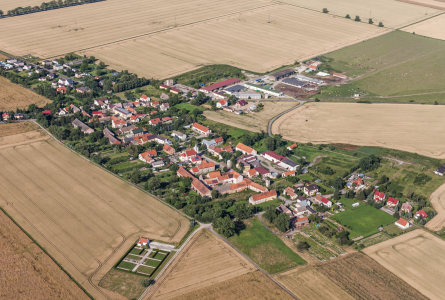
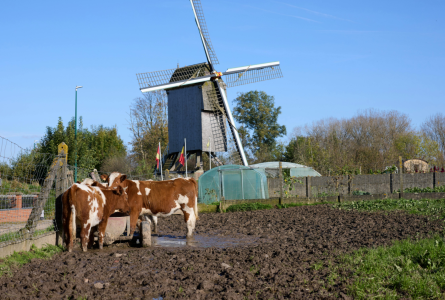
Farmland in Europe
by
Lilly Richard
Around the world, farmers adopting agroecological practices are rebuilding their soil, growing an abundance of food, and decreasing their reliance on external inputs. As war and political turmoil disrupt fertilizer and fuel supplies globally, agroecology is a way to build resilience in a destabilized world. 

Agroecology Uprooted logo over crop beds at GBiACK
by
Michael Happ
As its written, the House Farm Bill set to go to vote this week helps broken programs limp along while ignoring glaring issues facing farmers today. On issue after issue — crop insurance, unfair corporate practices, conservation funding, climate resilience — this Farm Bill falls short.
U.S. Capitol
by
Sophia Murphy
In March, IATP Executive Director Sophia Murphy traveled to Cameroon for the World Trade Organization (WTO) Ministerial Conference. While the WTO still struggles to adapt and advance negotiations between member nations, proposals from civil society organizations held promise for new ways to approach trade in a changing world.
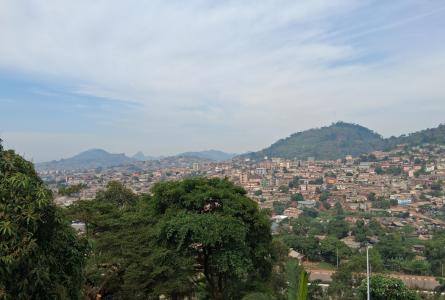
Yaounde
by
Leila Yow
As limited climate gains from technical methane interventions are outpaced by growth in livestock production and associated emissions, we need to reframe technical interventions as complementary tools, not substitutes, for systemic reform.
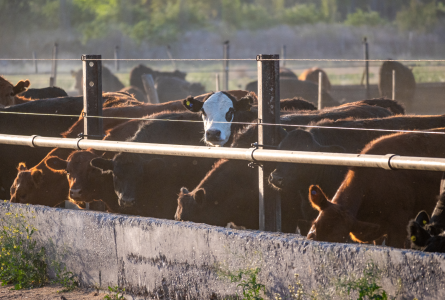
Argentina cattle feedlot
by
Sophie Scherger
The European Commission has spent the last few years exploring policy options for putting a price on agricultural greenhouse gas emissions in their efforts to meet the EU's new 2040 climate target. Today, much of this work has been shelved and it looks like the only instrument that could be adopted to drive climate action in agriculture will be a voluntary credit system.
Europe farm