
Search
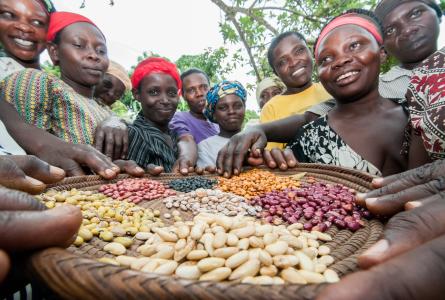

Central to the survival of small and mid-scale farmers is their right to save, use, exchange and sell their own seeds that is, what agroecology advocates have come to recognize as their seed sovereignty.
COTONOU, (Mar. 5) IPS - Entering the global economy, some African researchers say, calls for trade-offs, and Francophone nations recently had no trouble trading small farmers' rights to store and exchange seed.
COTONOU, (Mar. 5) IPS - Entering the global economy, some African researchers say, calls for trade-offs, and Francophone nations recently had no trouble trading small farmers' rights to store and exchange seed.
Since the beginning of his second term, the Trump administration has negotiated bilateral Agreements on Reciprocal Trade (ART) in exchange for easing tariff rates.
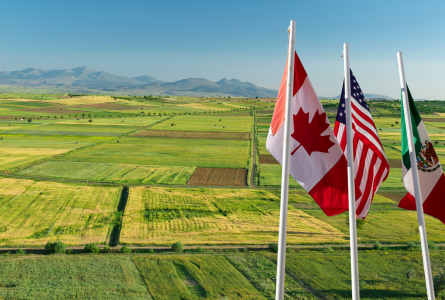
In the midst of a lot of chaotic pronouncements about trade and tariffs, it has been hard to know how to weigh in on the trade policies we need. The current review of the U.S.-Mexico-Canada Agreement (USMCA) provides an opportunity to address changes since that agreement was enacted in 2020 and to fix problems that have become apparent during its implementation.
Winnipeg, Canada (Rural Advancement Foundation International, February 18, 1999)--The following document was released by the Rural Advancement Foundation International on 17 February 1999:
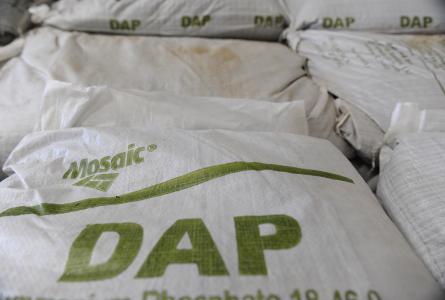
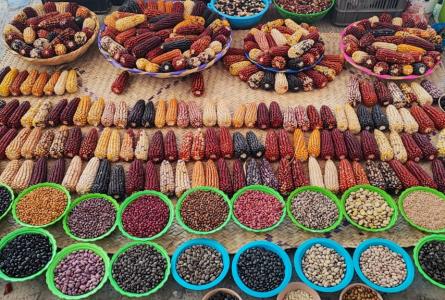
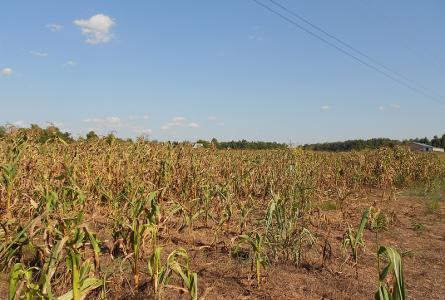
During the 20th Century the seed -- a key means of production for agriculture -- became one more commodity in the division of labour between family farmers and industry.
Intellectual Property Rights and plant breeding have, historically, had nothing to do with each other. In Asia, and much of the South, patents were never allowed on life forms because of ethics, colonial legacies and the threat that statutory monopolies in the health and food sectors pose to peoples' basic needs.