Climate Change


Visit our climate solutions page to learn more. 

Draft report on food security and climate change falls short

Climate change will have significant impacts on world food security in our lifetimes. Indeed, we have already begun to feel the impacts from extreme events—droughts, heat waves, torrential rains leading to floods, with consequent impacts on crop production in Russia, Texas and the U.S. Midwest, Pakistan, Thailand, to name a few recent high-profile locations.

What's at Stake in the 2012 Farm Bill?

The U.S. Farm Bill—arguably the nation’s largest and most influential food policy tool—is written by Congress every five years. It includes far-reaching programs for crop production, farmers, rural development, energy, conservation and international food aid—the largest portion going to food assistance programs.

Climate insurance, not just crop insurance

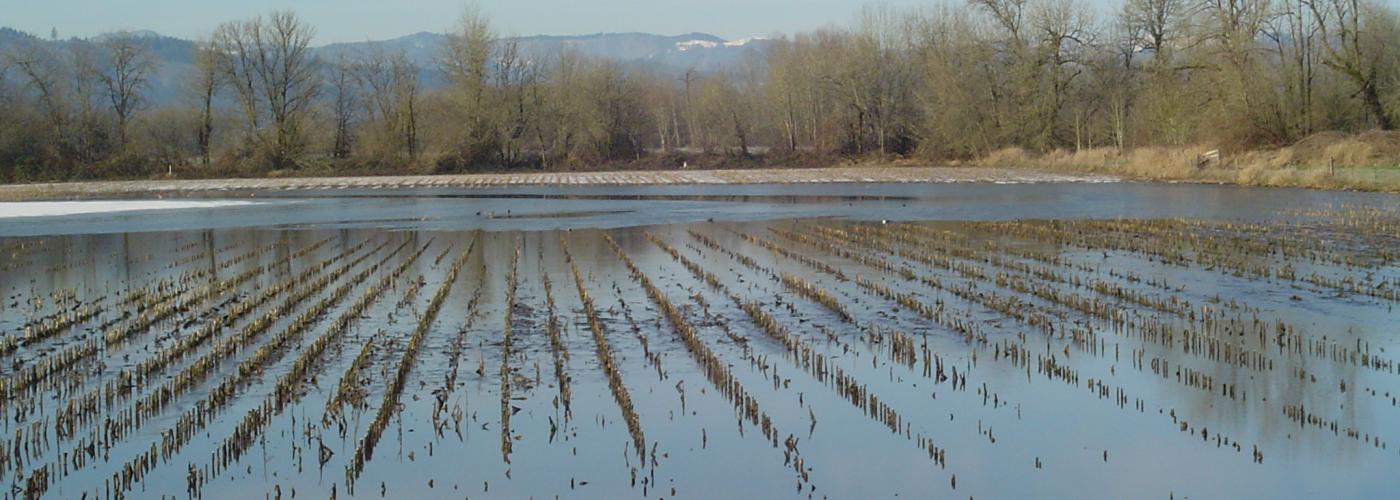
Today, the Senate Agriculture Committee will hear arguments to expand the federal crop insurance program in the 2012 Farm Bill. Most likely, proponents of this expansion will point to the devastating crop losses wrought by extreme weather last year. Indemnity payouts for 2011 have so far cost taxpayers a record $10 billion, a number expected to grow as claims are processed.

Submission of the Institute for Agriculture and Trade Policy to the UNFCCC on issues related to agriculture for consideration by the SBSTA in the context of Article 4.1(c) on cooperative sectoral approaches and sector-specific actions

The COP, in its decision 2/CP.17, requested the SBSTA to consider issues related to agriculture at its 36th session, in the context of deliberations on Cooperative sectoral approaches and sector-specific actions, in order to enhance the implementation of Article 4, paragraph 1(c), of the Convention.    

Submission in response to the request for comments by the Chair of the Ad Hoc Working Group on Long-term Cooperative Action under the United Nations Framework Convention on Climate Change

The following submission consists of three parts; 1) a short analysis of the role of the carbon price signal in the climate investment landscape; 2) an overview of the relatively small extent to which carbon emissions markets have provid

Q&A: Why an agriculture work program at the UNFCCC is the wrong approach for farmers, animal welfare and development

There is global consensus that the agricultural sector is severely affected by climate change and also contributes to it. Debates are on in numerous national and multilateral forums about the right ways to address these challenges.