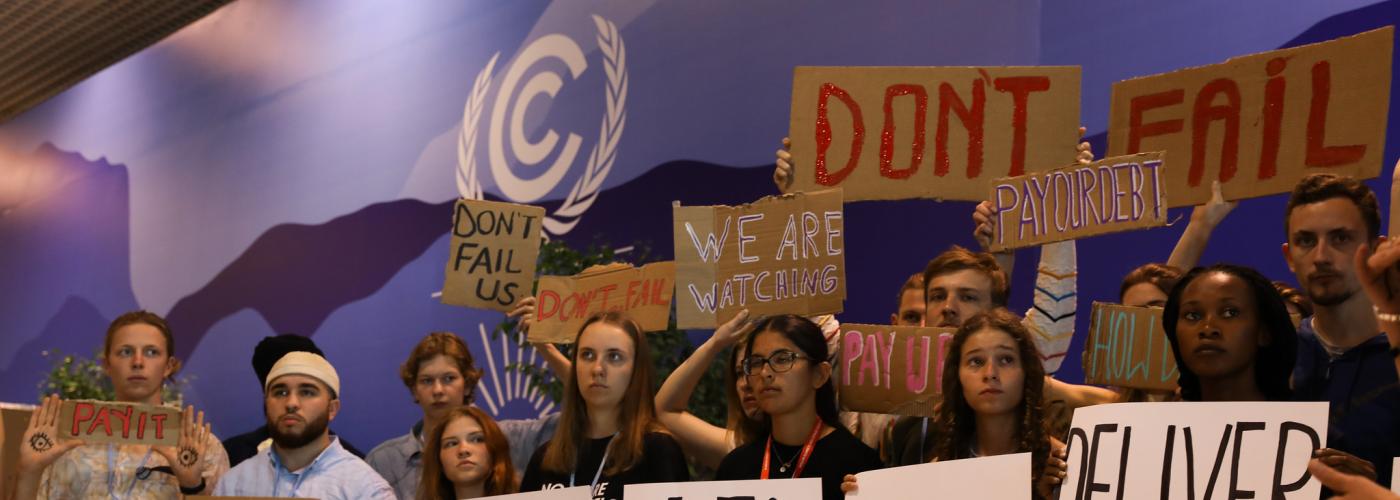
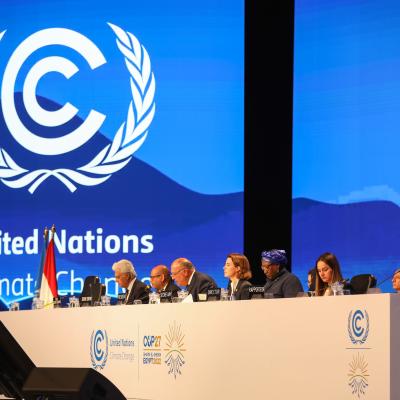
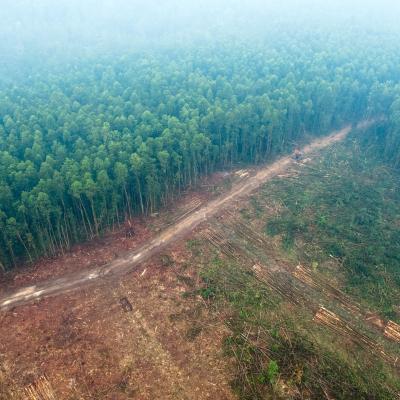
Extreme heat is a deadly consequence of climate change, and this summer was the hottest summer on record since global records began. From Arizona to Japan, extreme heat persisted for weeks, and from Canada to Hawaii, heat-aggravated wildfires wreaked havoc. In this context, countries will gather to coordinate their response to the climate crisis this November and December at the annual Conference of the Parties (COP), part of the United Nations Framework Convention on Climate Change (UNFCCC). The goal of each COP is to identify avenues of global cooperation to address the crisis. Since the Paris Climate Agreement was ratified in 2016 following COP21, negotiations have focused on the advancement and implementation of that framework, including ratcheting up national commitments to reduce emissions, coordinating global adaptation strategies, and setting structures and priorities for climate finance for countries facing the most severe effects of the climate crisis. This year marks the first Global Stocktake, or the first assessment of progress made toward meeting the Paris Agreement climate goals of reducing emissions consistent with 1.5˚C. The findings of the stocktake are expected to set the course for global climate action for the next several years.
The United Arab Emirates is hosting the 28th COP (or COP28) in Dubai from November 30-December 12. On the official agenda laid out by the president of COP28 are the “four Fs” based on the Paris Agreement: fast-tracking the transition to a low-CO2 world; fixing climate finance; focusing on people, lives and livelihoods; and full inclusivity. There will also be a special focus on food systems, including the launch of a 1.5-degree Roadmap for Food Systems from the U.N. Food and Agriculture Organization. And for the first time, the COP will include a discussion of trade agreements and their role in responding to the climate crisis.
IATP has engaged with the U.N. climate talks for more than two decades, advocating for bolder action to reduce emissions and deeper investments in a just transition, particularly for food and agriculture. While the yearly conference is compromised by the inclusion of major polluters and has repeatedly failed to produce the ambitious outcomes needed to address the worsening crisis, it remains a key moment to highlight climate challenges and true solutions.
Leading into COP28 IATP’s analysis and advocacy will aim to:
- Discredit empty “Net Zero” claims and carbon offsets.
- Advocate for agroecology to reduce emissions and build resilience.
- Demand international methane action.
- Expose livestock corporations’ greenwashing.
Learn more about IATP's COP28 goals.