IATP is honored to attend Farm Aid 40 this year in Minneapolis. As part of our exhibition in the Homegrown Village, we have created an interactive game that highlights some of the unpredictable challenges facing small farmers, and how better agriculture policy can help build a fairer and more sustainable food and farm system for all. This article is a companion piece to that game and an introduction to some of the issues we focus on.
Farm Aid was started 40 years ago amid the 1980s farm crisis, when family farmers were facing soaring debt due to low grain prices and rising interest rates. Minnesota alone lost more than 12,000 farms during the crisis. The first Farm Aid festival, which helped grow a grassroots movement of artist activists and rural organizers, was a benefit concert for the tens of thousands of family farmers fighting to save their farms.
As IATP’s founder Mark Ritchie wrote in Crisis By Design, the farm crisis that devastated rural America was caused by very intentional agriculture and trade policy choices favoring farm consolidation, expanded exports, and concentrated corporate power. The avalanche of foreclosures was eventually slowed with the passage of the Agricultural Credit Act of 1987, but the underlying conditions that created the crisis have never been fixed.
Forty years later, we are still losing farms. According to the latest Census of Agriculture, the number of farmers in America decreased by 141,000 from 2017 to 2022, with the total dipping below 2 million for the first time. As farmers have left the land, rural communities have lost their vitality.
Farming is a difficult business. Farmers face uncertain markets often dominated by a small number of corporations, increasing disruptions tied to climate change, and a volatile government policy arena that is not meeting many of the challenges facing farmers.
Here are just a few of the unpredictable threats facing farmers, and how they might be addressed by better policy:
Climate change
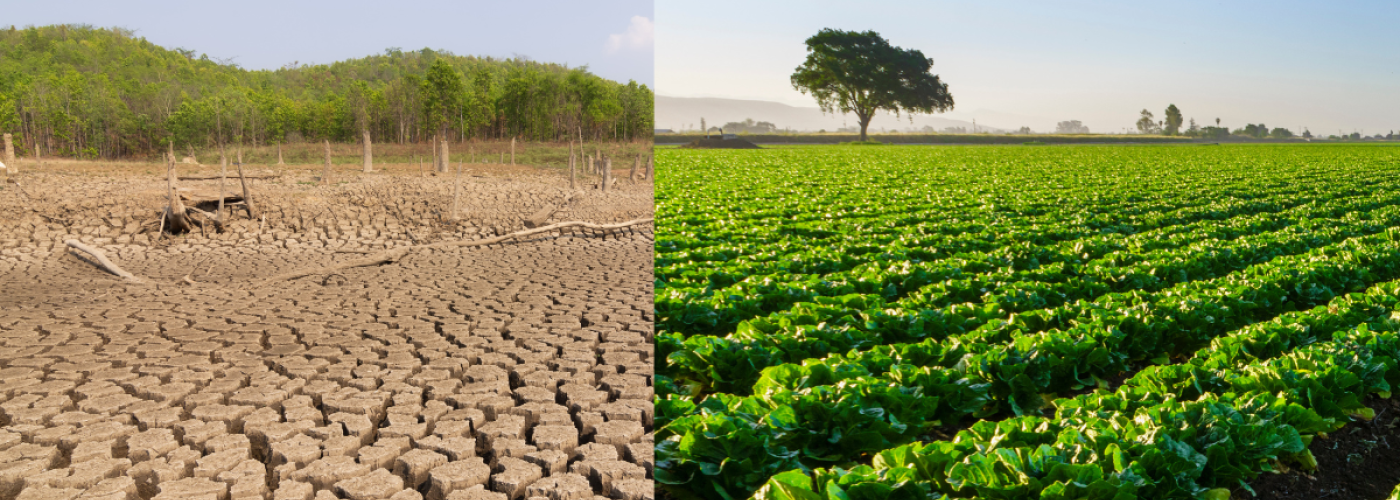
Climate change is already affecting Minnesota’s farmers. Minnesota has experienced the most significant winter warming of any state, and the top 10 warmest and wettest years in the state have all occurred since 1998. The state is experiencing warmer weather combined with increasing rainfall, while also seeing longer periods of drought the year. The timing and intensity of rain is already directly affecting farmers.
Market failure
Farmers growing commodity crops are expected to lose money this year. Prices paid to farmers have dropped due to over-production and the loss of exports tied to the Trump administration’s ongoing conflicts with key trading partners. At the same time, costs like equipment, crop inputs and energy have all risen for farmers.
Government dysfunction
Congress is still two years late in passing the nation’s most important food and farm legislation, known as the Farm Bill. The Republican-led Congress passed a budget bill this year that slashed anti-hunger programs, traditionally a critical section of the Farm Bill.
Most expect a new Farm Bill will not be passed this year. The Trump administration has ended contracts with farmers, scaled back or ended programs supporting local and regional food systems, and cut thousands of staff at the U.S. Department of Agriculture. Additionally, the USDA has scraped its website of any mentions of climate change, while trimming programs that support on-farm wind and solar projects. The food and farm policy chaos in Congress and at the USDA has disrupted projects and made it difficult for farmers to plan for the future.
Reforms in government policy could give farmers a better future, including programs to:
- Address unfair, anti-competitive behavior in the marketplace by the largest corporate players in the agricultural sector;
- Align trade and agriculture policies to lift prices paid to farmers in the marketplace through managing supply and demand;
- Support climate resilience by expanding access to — and improving — farm conservation programs for all farmers;
- Invest in local and regional food systems and infrastructure, including leveraging government purchasing to farmers and workers producing food for local markets;
- Stop sending subsidies and loans to large-scale factory farms that drive smaller farms out, pollute rural waterways and contribute to much of agriculture’s climate emissions.