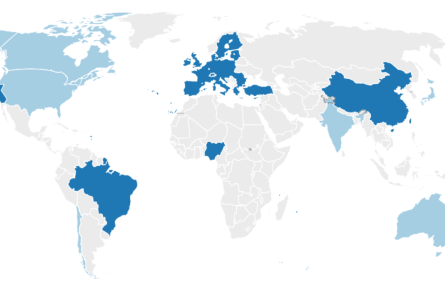
A wave of new policies is making climate-related disclosures mandatory for a large swath of the global economy, including many of the world’s largest food and agriculture companies.
In January, it was hard to imagine how European agriculture would ever balance the needs of farmers, consumers and the planet. Tractors were blocking motorways in protests across the continent. Yet, as the fall colors take over the landscape, the picture is quite different today.
The rise of factory farms in the U.S. didn't happen by accident. Corporate influence over our political system has created policies that subsidize and incentivize the industrial model. But our food system does not have to be this way.
On Oct. 21, representatives of the world’s governments will gather in Cali, Colombia for two weeks of negotiations, side events and maybe some big announcements, too. They will meet as the 16th Conference of the Parties (COP16) to the UN Convention on Biological Diversity (UNCBD).
In South Dakota, Iowa and all across factory farm country, everyday people are stepping up and organizing their neighbors to prevent factory farms from being built in their communities. How to fight a factory farm? People power.
What does it mean to get big or get out? As CAFOs began to take over livestock production in the U.S. through the 1990s, the consequences of this corporate-controlled, vertically-integrated system rippled throughout rural economies, putting smaller independent farmers and their suppliers out of business, and trapping others in debt and dependence on exploitative meat companies.