
Search
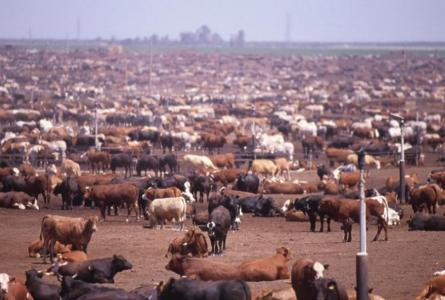
This blog is part of a series exploring NAFTA and agriculture. The series is based on the larger paper: NAFTA Renegotiation: Whats at stake for farmers, food and the land?
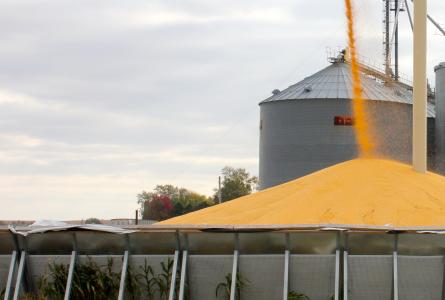
This blog is part of a series exploring NAFTA and agriculture. The series is based on the larger paper: NAFTA Renegotiation: Whats at stake for farmers, food and the land?
Contacts:
Josh Wise, 952-818-5474, [email protected]
Quinton Robinson, 703-975-4466, [email protected]
Jan Slomp, 403-704-4364, [email protected]
The re-negotiation of the North American Free Trade Agreement (NAFTA) between the U.S., Mexico and Canada begins tomorrow and there is much at stake for farmers and rural communities in all three countries. Despite promised gains for farmers, NAFTAs benefits over the last 23 years have gone primarily to multinational agribusiness firms. NAFTA is about much more than trade.

The racist and bigoted policies, statements, posture, and transparent intentions of the President of the United States Donald Trump are fueling the white supremacy movement. His racism and bigotry can and should be seen as building the conditions for the murder of one and deaths of three people in total last night in Charlottesville, Virginia.
DESCRIPTION:
IATP is seeking an intern to research global markets in cotton and the impacts of U.S. cotton subsidies and support programs on developing country and U.S. farmers.
In 2007 IATP organized the conference "Lessons from NAFTA: Building a New Fair Trade Agenda" which took place in Minneapolis, Minnesota. With 45 groups signed on as co-sponsors, the conference was attended by over 250 people, including representatives from the media; the Minnesota state government; the Mexican and Canadian embassies; representatives from the Canadian, Mexican and U.S.

Last week, California governor Jerry Brown signed legislation to extend Californias cap-and-trade program to 2030 rather than letting it expire in 2020.
This collection contains IATPs work on the connection between trade and obesity.
NAFTA negotiations were very secretive with little information provided to the U.S. Congress and the public knowing even less. This analysis was put together by citizens' groups from the U.S. who worked in teams to analyze NAFTA's impact on thirteen specific issue sectors. The intent of this analysis was to contribute to an informed public debate prior to the passage of NAFTA.