
Search
More than fifty family farmer, labor and consumer organizations urged federal agriculture policymakers to take immediate steps to help US dairy farmers, who have struggled for years with milk prices that are well below their costs of production.

Last week House of Representatives Agriculture Committee chairman, Rep. Mike Conway, released his first draft of the 2018 Farm Bill. The bill did not have the support of the ranking member on the committee, Rep. Colin Peterson.
IATP launched the first 100% fair trade organic coffee company in 1996. As the company has grown, we realized it was time to set it free to keep growing and doing good work.
On Thursday, House Agriculture Committee Chairman Mike Conaway (R-TX) introduced a draft Farm Bill that runs counter to what farmers and eaters across the country need.
The following was taken from an April 3, 2018, letter from 75 organizations expressing support for the Rural Energy for America Program addressed to the chairmen and the ranking members of the House and Senate Agriculture Committees.
Dear Chairman Roberts, Ranking Member Stabenow, Chairman Conaway, Ranking Member Peterson:
The following is taken from an April 11, 2018 letter from the Campaign for Family Farms and the Environment to the Chairmen and Ranking Members of the Senate and House Agriculture Committees
Dear Chairmen and Ranking Members,

Yesterday, more than two hundred national and state-level organizations wrote to their Senators urging them to reject the nomination of Mike Pompeo for Secretary of State. IATP is one of the signatories to the letter.
Bristol Herald Courier, Kingsport Times News, Washington County News, February 26, 2007
This week we're talking about labeling, and the attempt to ban it, in trade agreements. Josh talks with Sharon Treat about why multinational corporations seek to undermine public health protections through the trade negotiating process, what the history of challenging food labeling has been, and what the heck is going on with NAFTA renegotiation these days.
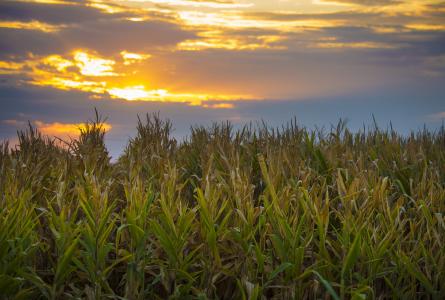
If proposed Chinese tariffs go into effect, it will be painful for U.S. farmers. It's time to ask some hard questions about the system supported by past policy that put our farm economy and the men and women who grow our food in such a vulnerable position.
A New York Time opinion article argues that one of the best ways to ensure that the world's poorest have access to water is through carbon trading. IATP's Shiney Varghese explains why that is incorrect.
Efforts to meet freshwater demand by harnessing fossil groundwater contributes more to rising sea levels than melting glaciers.
Why is the U.S. Getting in the Way of International Efforts to Make Clean Water a Basic Human Right?
On November 21, 2013 the UN General Assemblys Third Committee (The Committee) adopted a resolution on The human right to safe drinking water and sanitation. There, all UN member states agreed that the rights to water and sanitation are derived from the right to an adequate standard of living.
The food crisis and recent droughts have confirmed that controlling the source of food - the land and the water that flows under or by it - are equally or even more important.