
Search
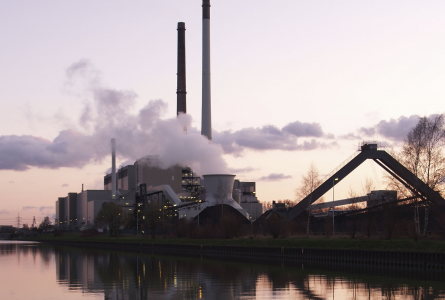
The Clean Power Plan is the predominant plan in the U.S. to address climate change. The Environmental Protection Agency (EPA) is encouraging states to set up regional carbon markets to comply with the plan; however, carbon markets to date have not achieved their intended goals.
The proposed Transatlantic Trade and Investment Partnership (TTIP) between the U.S. and the European Union has been negotiated in secret preventing the public from knowing what exactly is on the negotiating table. In May, TTIP text was leaked by Greenpeace Netherlands. The leaked text provides a snapshot of the status of the talks.
The Institute for Agriculture and Trade Policy (IATP) invited a group of food activists and researchers from China to spend ten days learning about the U.S. food system. They spent a week visiting farms and food enterprises, both conventional and alternative, in North Carolina and Minnesota. Come to a public discussion to hear their impressions of what they have seen here and their thoughts about China's agriculture and food challenges.
This event is co-hosted by IATP and the University of Minnesota's China Center.
The Transatlantic Trade and Investment Partnership (TTIP) has the potential to transform agricultural trade between the United States and the European Union. TTIP could potentially lower tariffs and non-tariff barriers on a range of agricultural goods. While the impact of this on U.S.
The leaked Transatlantic Trade and Investment Partnership (TTIP) negotiating texts published by Greenpeace Netherlands1 on May 2 provide a crucial snapshot of the status of the trade talks.
Minneapolis The U.S. International Trade Commission (USITC) has published its assessment of the potential impacts of the Trans-Pacific Partnership (TPP) on the U.S. economy and on the interests of U.S. consumers, as required by the Trade Priorities Act.
Over the past year, the Star Tribune, the largest paper in the Minneapolis-St. Paul metro area, has published almost all its articles on the outbreak of highly pathogenic H5N2 in its business section.
The Institute for Agriculture and Trade Policy (IATP)2 appreciates this opportunity to comment on the Commissions proposed regulation for Automated Trading Systems (ATS).
Minneapolis, May 10, 2016The Regional Meeting on Agroecology in Asia in November of 2015 marked the culmination of four FAO meetings on Agroecology. These vibrant meetings confirmed a rising tide that we have written about previously: agroecologys prominence is growing worldwide.

In early March, farmers and rural residents of southeast Minnesota gathered for three intensive days of presentations, discussion and deliberation around the thorny issue of climate change. The Winona, Minnesota Climate Dialogue participants, most of them in shirts and jeans, were a blend of ages, cultural backgrounds and jobs.
Minneapolis Leaked negotiating texts for the Transatlantic Trade and Investment Partnership (TTIP) expose the heavy influence of corporate agribusiness in the negotiations, pushing to lower trade restrictions and public health regulations affecting food production, according to analysis of the texts by the Institute for Agriculture and Trade
The controversial new trade deal, the Trans-Pacific Partnership, has been a tough sell for the Obama Administration. The top four Presidential candidates oppose its passage and support in Congress is waning.
The Institute for Agriculture and Trade Policy[i] (IATP) appreciates this opportunity to comment on reasonable alternatives and possible issues to be evaluated in the environmental impact statement (Federal Register Vol. 81, No. 24, February 5, 2016, at 6225).
The EU is being asked to give up a lot in the Transatlantic Trade and Investment Partnership (TTIP), especially its relatively higher standards on food and chemical safety. Its also asking for a lot in return, including the massive opening of U.S. public procurement to bids by EU firms.
Public Procurement is a key component of the TTIP negotiations and an area where almost all
Member States have offensive interests, and in consequence the EU has been requesting a
substantial market opening outcome in this area. However, to counter such request, there have
been some claims like the following:
The Committee on World Food Security (CFS) is the foremost international and intergovernmental platform trying to address global food security and nutrition challenges.