
Search

The World Trade Organization (WTO) has a well-earned reputation for placing trade concerns above all elseincluding global priorities like climate change and food security.
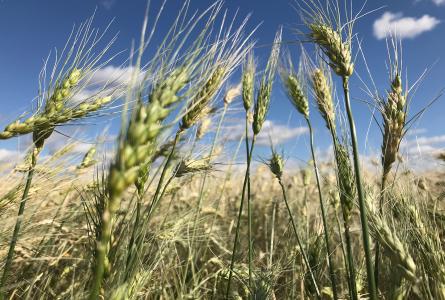
At the global climate talks in Bonn, Germany last month, countries agreed for the first time on an agriculture work program designed to identify the best strategies to respond to climate change and protect food security. Nearly 80 percent of countries included agriculture in their Intended Nationally Determined Contributions (INDCs) as part of the Paris Climate Agreement.

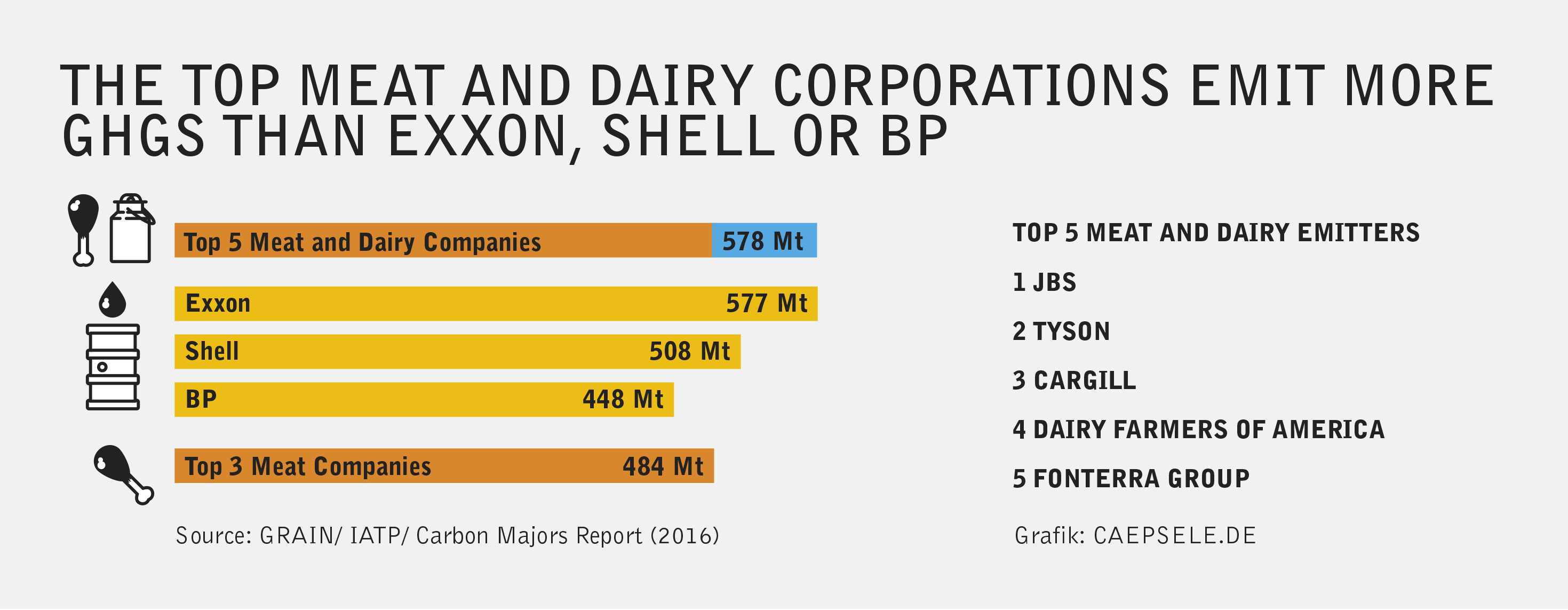
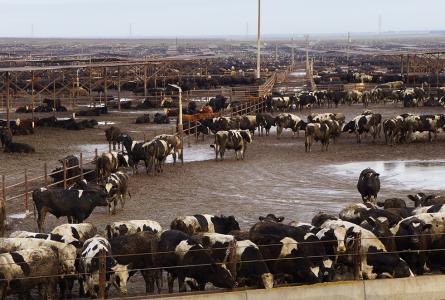
Factory farmed meat and dairy production is one of the top contributors to climate change, with some estimates saying the food system is responsible for up to 30 percent of the worlds greenhouse gas emissions (GHGs).

The Farm Bill is a massive piece of legislation that affects everyone and Congress is writing it now. Its not surprising that, as such a wide-reaching bill, the Farm Bill has big implications for climate change. It is the largest investment in working lands and the primary method for addressing the environmental impacts of farms and ranches.
IATPs very own Anna Claussen, Director of Rural Strategies, is one of three people recently awarded one of three prestigious Nathan Cummings Foundation Fellowships.
The importance of protecting the knowledge, innovations and practices of indigenous and local communities (TK) is increasingly recognized in international forums. This note provides some analysis and background information to aid experts in their work.
Sophia Murphy is an advisor to IATP, based in Vancouver, British Columbia.
President Trump is playing high stakes poker in the NAFTA talks, with his US Trade Representative, Robert Lighthizer, at the helm. Laura Dawson, director of the Wilson Centres Canada Centre published an op-ed on 11 October in which she suggests there are two tracks to the NAFTA talks one is moving ahead with the easy consensus (i.e. tracking new issues that gained prominence in the Trans-Pacific Partnership negotiations), while the other, driven by Trumps tweets and America First Agenda, is putting the whole enterprise at risk with incendiary statements and impossible demands.
This week's episode was going to be on meat, but schedules change and we adjust!
Every day, independent livestock and poultry producers operate within a marketplace dominated by a handful of very large, mostly global meat companies. The overwhelming market power of companies like Smithfield, JBS and Tyson, to set prices and determine market rules, reduces competition and prevents independent producers from pursuing a fair return.
It's Farm to School Month! Erin McKee and Katie Costello talk about IATP's Farm to Institution program. Then Ben Lilliston joins the podcast to talk about the Local FARMS act that was just introduced in Congress.
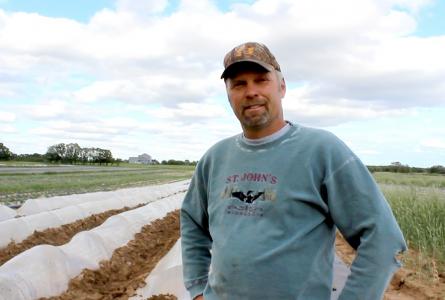
When we started our partnership with St. Clouds Reach Up Head Start program, Nutrition Services Coordinator Haley Anderson knew she wanted to source locally produced food for her kidsshe just wasnt sure how to do it. Building in nutrition education for kids and families was a straightforward process.
Josh Wise talks with Sharon Treat, IATP's Senior Attorney, who was at the last round of NAFTA talks in Ottawa. Sharon gives an update what has been happening at the talks, how trade talks are supposed to work, and offers an analysis on the reckless speed and nature of the negotiations so far.
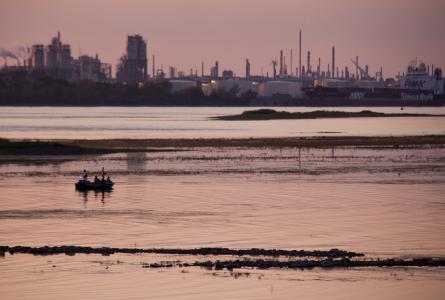
What should a post-TPP U.S. trade and investment policy look like, if it is to protect not only workers, farmers, consumers and the environment in the U.S., but also in other countries? What can individuals and organizations committed to water justice do to make sure that the rights to water, food and health of rural and urban communities in North America are upheld? These issues will be very much on the agenda at the next round of NAFTA talks, starting October 11.
Farmers in Minnesota, and across the country, are facing another year of global prices so low they dont cover the cost of production. Increasingly, Minnesota farmers are turning to local markets and supply chains that offer more stable income, boost the local economy, and provide healthier food to our communities.
In episode 3 of Uprooted, the final episode in our series on NAFTA, Johan looks at how the beer industry has used NAFTA to move production and how it's import and export statistics are being manipulated to call it a win for Mexican agriculture. Johan interviews Michael McCollough, William Bostwick, and Tim Wise. Enjoy Border Brews: